
Growth is not the same as progress
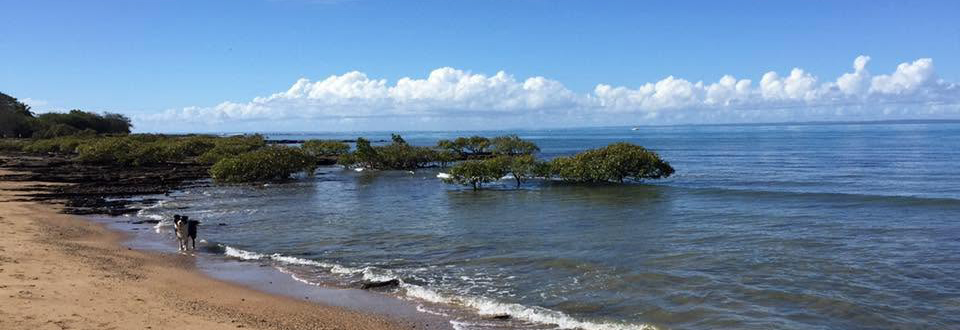
There is something I have noticed since moving back to Hervey Bay after nearly a decade away. There are a lot more people here. Of course, that is not particularly surprising. Queensland has experienced significant population growth, and regional Queensland has been part of that story. And honestly, who could blame people for wanting to move here?
Regional Queensland offers something that can be increasingly difficult to find in larger cities. More space, access to nature, a slower pace, a stronger sense of community and the opportunity to know your neighbours. There is the ability to get outside and enjoy the environment around you, and for many people, that is exactly what they are looking for.
Which raises an important question. As our regional towns grow, how do we make sure we don’t lose the things that made people want to live here in the first place?
Growth is important. But what are we growing?
There is an understandable focus on growth in regional Australia. We need more housing. We need more health services, schools, childcare and workers. We need businesses to invest and create jobs, and we need the infrastructure to support all of these things. All of these things matter. But I think there is another question we need to keep asking. What do we want this place to feel like when that growth happens?
Population growth on its own is not the measure of a successful regional community. A town can have more houses, more people and more businesses and still lose some of the qualities that made it a great place to live. The challenge is not necessarily stopping growth. It is making sure growth is done well.
Liveability is more than a nice thing to have
When we talk about regional development, liveability can sometimes feel like the softer part of the conversation. Economic development feels measurable. Jobs can be counted. Businesses can be counted. New houses can be counted. Visitors can be counted. Infrastructure can be measured.
But how people experience a place matters too. The Regional Australia Institute identifies things such as health services, education, cost of living, amenity, connection to community, lifestyle and opportunity as important elements of regional liveability. I think this is particularly important when we are talking about regional townships.
People don’t move to a regional town simply because there is a house available. They move because they see a life there. They see a lifestyle, access to beaches, parks, walking tracks, community events, local businesses and cultural experiences. They see space, connection and the possibility of raising a family or enjoying a different pace of life. Those things are not separate from development. They are part of the reason development happens in the first place.
Liveability and economic development are connected
This is where I think we need to broaden the way we talk about economic development. Economic development is not simply about attracting a new business or creating a new industry. It is also about creating a place where people want to live and where businesses can find the people they need.
If a regional town cannot attract workers because there is nowhere for them to live, that becomes an economic development issue. If families cannot access childcare, that becomes an economic development issue. If people cannot access health services, that affects the ability of a region to attract and retain residents. And if there are no attractive public spaces, cultural experiences or opportunities for people to connect, that affects how people experience the place.
Liveability supports the workforce. The workforce supports businesses. Businesses support the local economy. And a strong local economy helps support the services and experiences that make a place liveable. It is all connected. I think that is an important way to look at regional development. Not as separate projects sitting in separate boxes, but as pieces of the same place.
And then there is tourism
The connection with tourism is just as strong. We often market regional towns based on the very things that residents value. Our beaches, our natural environment, our heritage, our food, our events, our arts and culture, our local stories and our community. The things that make a place enjoyable to visit are often the same things that make it enjoyable to live in.
That means tourism and liveability should not necessarily be competing priorities. They can support each other. A beautiful public space can be somewhere for locals to enjoy on a Tuesday afternoon and somewhere a visitor photographs on a Saturday. A cultural event can give residents something to look forward to while also attracting visitors from outside the region. A well maintained heritage precinct can strengthen local identity while also becoming a tourism asset.
A vibrant main street can support local businesses, create a sense of pride and give visitors a reason to stay a little longer This is where I see a really strong crossover between tourism, economic development and regional development. They are all, in different ways, about creating places people want to spend time in.
We need to think about the everyday experience
I think sometimes regional development becomes focused on the big things. The new housing estate. The new road. The new development. The new industry. The new tourism attraction. And of course, we need those things. But we also need to think about the everyday experience of living in a place.
Can I walk somewhere safely? Is there somewhere for my children to play? Can I meet a friend for coffee? Can I access the services I need? Is there somewhere to sit under a tree? Can I go to an event on the weekend? Do I feel connected to my community?
Are there places where young people feel welcome? Can older people participate? Are our local stories visible? Do our public spaces reflect who we are? These things can sound small but collectively, they are not.
Growth needs to be place based
One of the things I think regional communities need to be careful of is simply replicating models of development that work elsewhere. A regional town is not a smaller version of Brisbane. It has its own history, landscape, people, culture, challenges and opportunities.
Its liveability work encourages regional communities to understand what makes their particular town attractive and to develop responses around those local strengths and challenges. I think this is really important. Before we ask, “How do we grow?” Perhaps we should also ask, “What do we love about this place now?” And then, “How do we make sure that is still here in twenty years?” That doesn’t mean resisting change. It means understanding what should be protected while we change.
We don’t need to preserve everything
There is also a danger in talking about protecting the character of regional towns as though nothing should ever change. That isn’t realistic. Communities change. People change. Businesses change. Families change. Regional economies change. And new people arriving can bring enormous energy, ideas, skills, businesses and opportunities. Growth can be incredibly positive.
The opportunity is to make sure new residents don’t simply become numbers in a population forecast. They become part of the community.And existing residents are not simply people who need to make way for growth. They are custodians of the stories, relationships and characteristics that make the place valuable in the first place. That is why I think community engagement is so important in regional development.
People need opportunities to talk about what they value, what they are concerned about and what they want their community to become. Not just when a development is proposed, but much earlier.
So what does good growth look like?
For me, good growth is not about trying to keep a regional town exactly as it was. It is about allowing it to evolve without losing its sense of place. It means planning housing alongside infrastructure. It means thinking about public spaces alongside roads. It means considering arts and culture alongside economic development, and thinking about tourism alongside community needs.
It means making sure young people have reasons to stay, families have reasons to come and older people have reasons to remain. It means creating places where businesses can thrive because people want to live there. And it means recognising that the things we sometimes describe as “lifestyle” are actually part of our economic infrastructure.
The beach is an economic asset. A beautiful park is an economic asset. A vibrant main street is an economic asset. A strong community is an economic asset. Arts and culture are an economic asset. A sense of belonging is an economic asset. Not because everything needs to be reduced to dollars and cents, but because these things influence whether people choose to live somewhere, work somewhere, invest somewhere and visit somewhere.
Perhaps the question isn’t whether we should grow
I think regional Queensland is going to continue to grow. And there are many reasons to be positive about that. But perhaps the question we should be asking is not simply:
How many more people can we accommodate?
Perhaps it is:
What kind of community do we want to create for the people who will live here?
The success of a regional town should not only be measured by how much it has grown. It should also be measured by whether people still want to call it home. Whether they still know their neighbours. Whether children still have places to play. Whether local businesses can thrive. Whether people can access the services they need. Whether visitors still find something special when they arrive.
And whether the people who lived here before the growth can look around and still recognise the place they love. For me, that is where regional development, economic development and tourism come together. They are not three separate conversations. They are all about creating places that people want to be part of.
And as regional Queensland continues to grow, I think protecting that sense of place is going to be just as important as building what comes next.