
How do we make engagement actually engaging?
I think we’ve all been there.
A room.
A whiteboard.
A group of people sitting around it.
A stack of sticky notes.
And someone saying, “Okay, we really want to hear from you.”
The problem is… sometimes the way we’re asking people to engage is completely unengaging. Don’t get me wrong , there is absolutely a place for formal consultation processes. But if we genuinely want to understand what a community thinks, feels, needs and dreams about, there are so many opportunities to connect with people in ways that are more authentic, relaxed, low-pressure and, dare I say it, actually enjoyable.
If we design our engagement around the loudest voices in the room, we’re probably missing a lot of people. And often, it’s the same people who turn up, speak up and provide feedback.Their voices are important. But they can’t possibly represent the whole community.
So I think we need to design engagement around the quietest voice in the room.
What would make it easier for them to participate? That means creating multiple, layered ways for people to engage.
☕ Start with authentic conversations.
Not every engagement activity needs to be a highly polished workshop with an agenda, PowerPoint and a carefully facilitated exercise. Sometimes sitting down with someone over a cup of tea and having a genuine conversation and actually listening to what they have to say can be incredibly powerful.
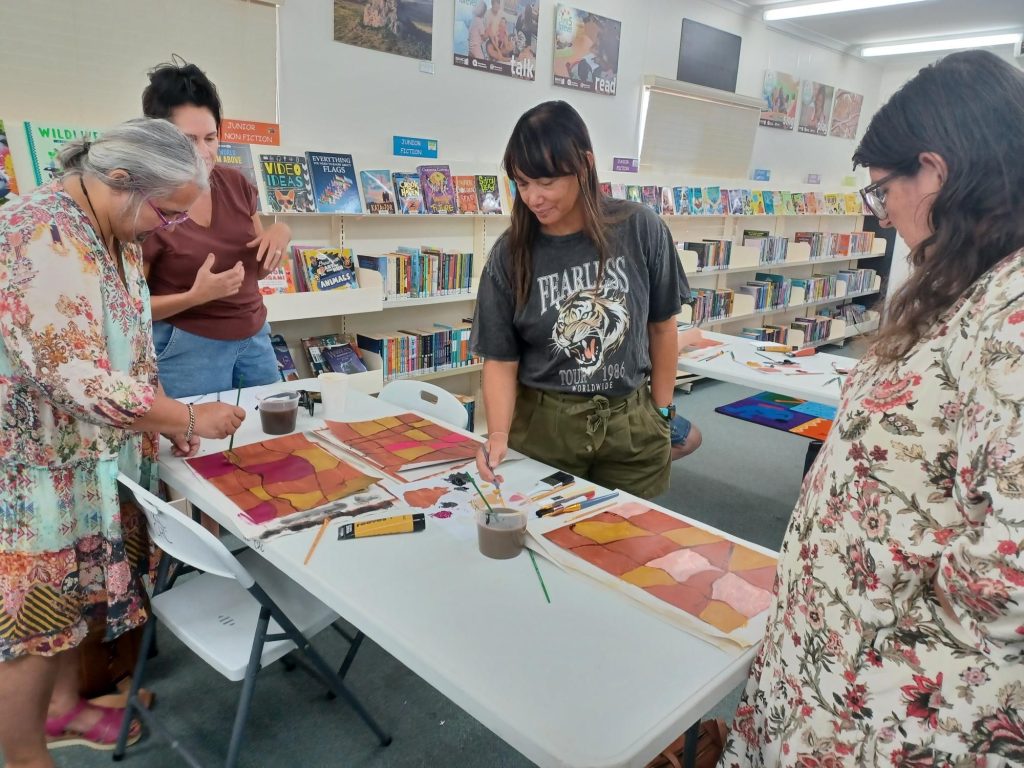
Create opportunities to engage while doing something.
Particularly in arts and culture, why not connect community conversations with something people actually want to come along to?
A creative workshop.
A making activity.
A community event.
Something hands-on.
When people are making, creating and experimenting, they aren’t necessarily sitting there trying to come up with the “right” answer. They can relax a little. They can move away from what they think they should say and tap into intuition, imagination, big ideas and possibilities. And importantly there are no right or wrong answers.
Make digital engagement work harder.
Not everyone can make it to a community session. So yes, digital tools can be incredibly useful. But we also need to move beyond the standard survey. Online forums, discussion boards, interactive tools and other ways of sharing ideas can create space for people who might never put their hand up in a room.
And sometimes the answer isn’t digital at all.
I remember working in rural Tasmania where a significant number of people weren’t regularly using the internet.Something as simple as a community noticeboard was still an important way for people to receive and share information.It was a good reminder:
Don’t assume you know how a community wants to communicate. Ask them.
Every community is different. Every group has different barriers, different preferences and different ways of connecting. Good engagement isn’t about finding one perfect method. It’s about creating enough different doors into the conversation that people can choose the one that feels right for them.
If we’re serious about hearing from the community, our job isn’t just to create opportunities for people to speak.
It’s to create opportunities where people actually feel comfortable speaking.
That’s where engagement starts to become more than a tick-the-box exercise. And that’s when we start hearing from the whole community not just the people who are already comfortable walking into the room.